2024-2 Spain, Andalucía
The Iberian peninsula is always a good destination in winter time! After two short trips with my dad to southern Spain (2022) and southern Portugal (2023), I wanted to go back to see some species that I missed on the past trips. This time I went to the south of Spain with two friends: Sven and Jayden. After a long search we chose for Sierra de Grazalema as the best destination to go to. Later we added two more days to our trip in the region of Málaga.

18 February 2024
Just after 3.00pm we flew from Eindhoven to Málaga. From there we took a taxi to Grazalema, where we arrived at 8.30pm. In Grazalema we would stay for 4 days and then another 2 days around Málaga. After we dropped our luggage in the apartment, we went walking towards a stream. On the way we already found some species like Tarentola mauritanica, a small Bufo spinosus, Hemidactylus turcicus and Pelophylax perezi. After 2,5km of walking we arrived at the stream. There we found many more Pelophylax perezi, some larvae of Pelodytes ibericus in the wetlands next to it and larvae of Salamandra salamandra longirostris. After searching till 2.00am we found some other nice species like our first snake: Natrix maura, two small and a large Mauremys leprosa, Blanus cinereus, Bufo spinosus again and we heard a single calling Hyla meridionalis. On the way back to the apartment we saw another Tarentola mauritanica on a street lamp.


19 February 2024
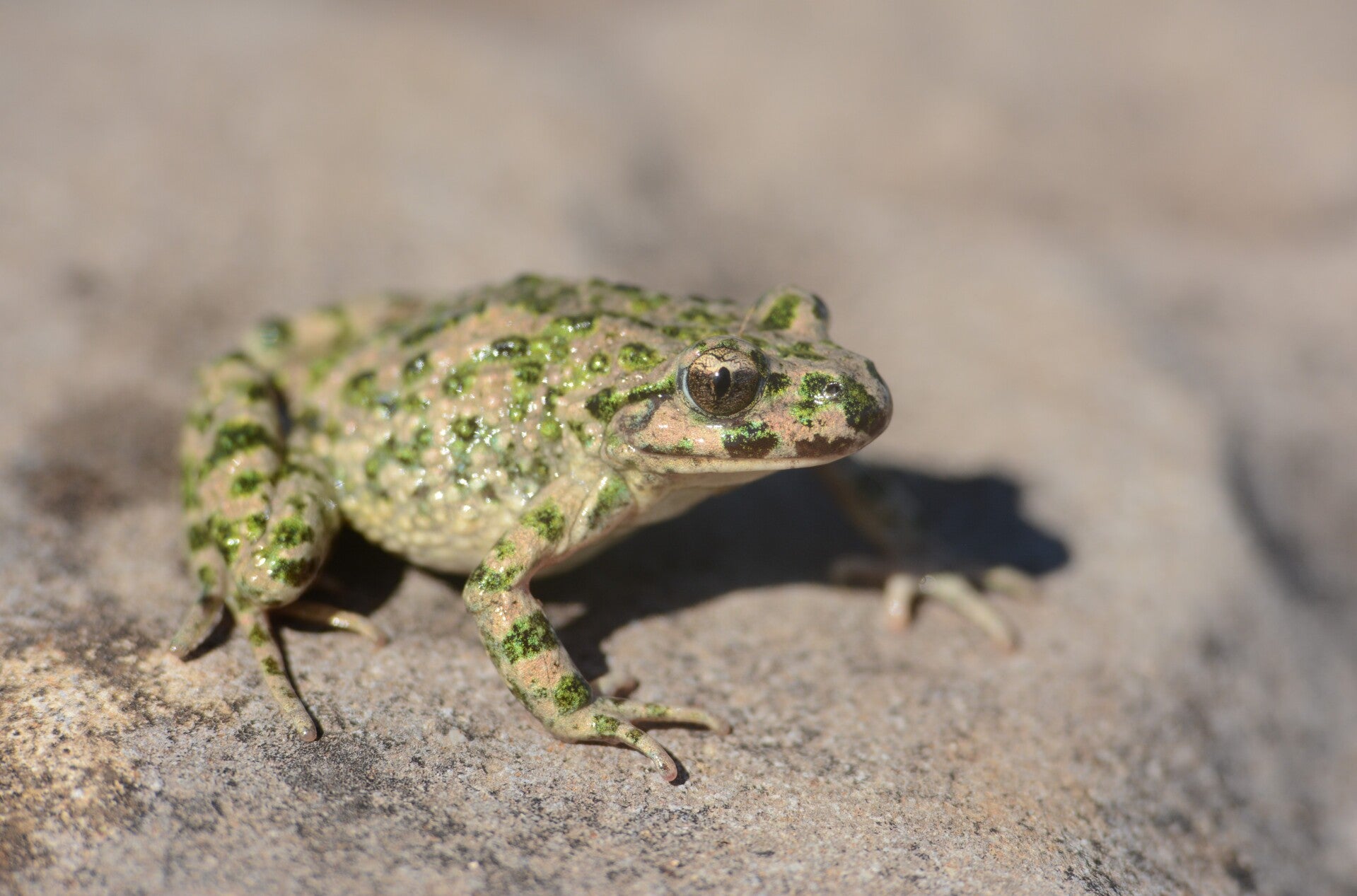
The next day we woke up at 9.00am and went to a supermarket nearby. When we got back we filled our bags for the whole day and headed out again! Along the road we spotted some Podarcis vaucheri and in the wells we found many Hemidactylus turcicus again. After more than 6km of walking (1,5 hours) we arrived at the first spot. It was a stream with beautiful clear water. Around the stream we found species like Podarcis vaucheri, Epidalea calamita, Pelophylax perezi, Psammodromus hispanicus, Blanus cinereus, a juvenile Timon lepidus and Psammodromus algirus. On the other side of the road the stream continued and there I spotted a male Triturus pygmaeus. When I jumped into the cold water it was quickly gone. But furthermore I found some eggs of Triturus pygmaeus and saw a few larvae, probably of Pelobates cultripes. Then we moved further towards the second spot. Along the path we lifted some rocks and found a large adult Salamandra salamandra longirostris, Triturus pygmaeus and Blanus cinereus. After we took some photos we continued our way to a field with some good stones to lift. There Jayden found the first Pelodytes ibericus and further we found Tarentola mauritanica, Salamandra salamandra longirostris, Psammodromus algirus, Psammodromus hispanicus and Sven spotted a large Timon lepidus basking on the rocks. It took us some time but finally we managed to catch it! When the evening started we returned to the stream from earlier that day to search for amphibians at night. That night we found larvae of Salamandra salamandra longirostris, Pelophylax perezi, Bufo spinosus, Hyla meridionalis, Epidalea calamita, Pelodytes ibericus, Mauremys leprosa, Triturus pygmaeus and unfortunately only a dead Pelobates cultripes.




20 February 2024
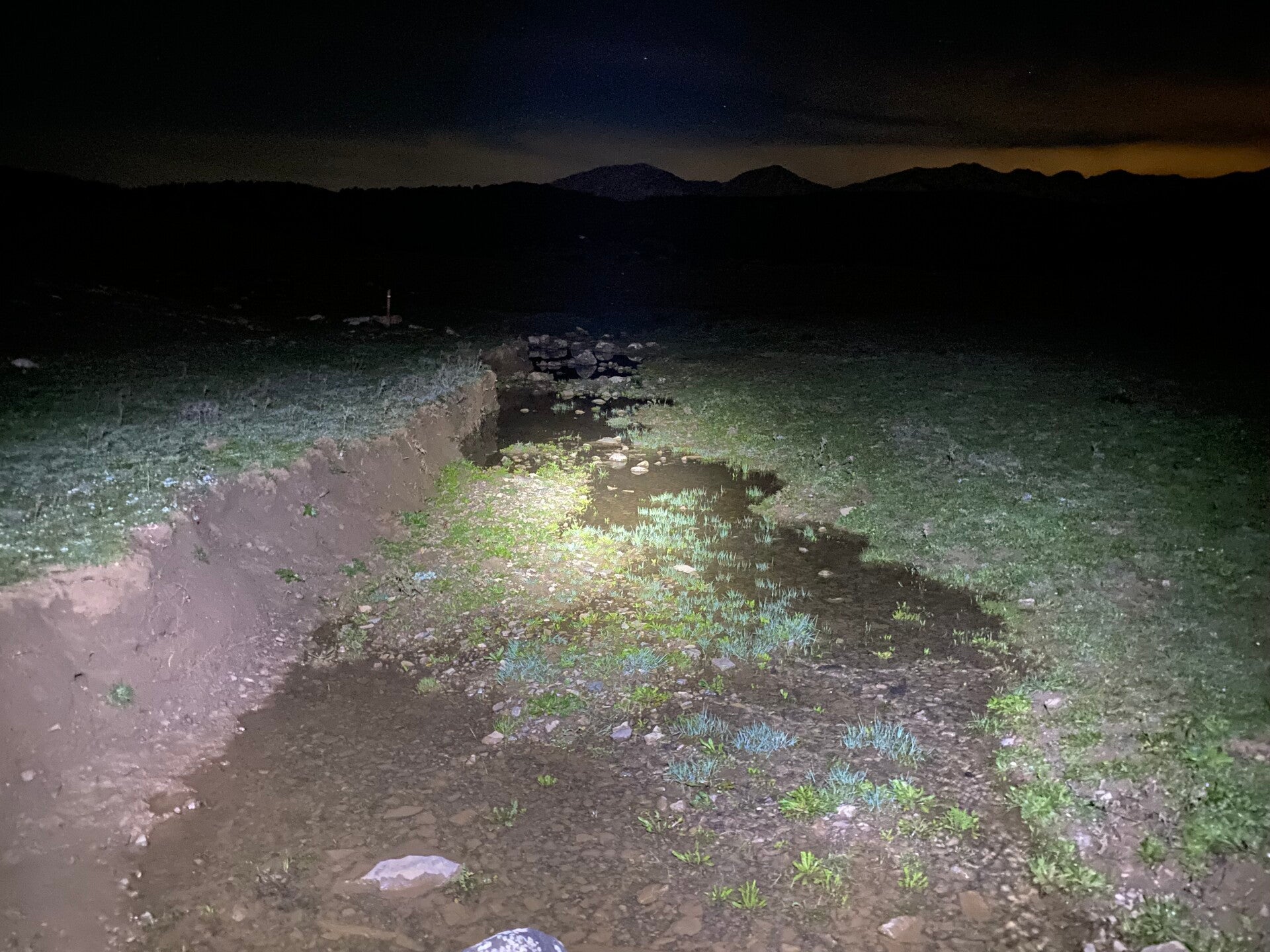
The second day we wanted to go a bit further in the direction of Villaluenga del Rosario. For the first part we got a ride from a very kind woman. After that we still had to walk for almost 2 hours to our first spot. On the way we saw a lot of vultures flying over. Along the road we found species like Blanus cinereus and Psammodromus algirus. When we arrived at our first spot we immediately found two Macroprotodon brevis. Because it was already a bit late and walking back was no option anymore, we decided to book a hotel in Villaluenga. This gave us extra time to search at a very good looking second spot. On the way to it we found Podarcis vaucheri, Tarentola mauritanica and Macroprotodon brevis again. The second spot was a good looking field with a lot of stones to lift. Here we searched the whole late afternoon and evening. The species we found were Timon lepidus, a lot of Macroprotodon brevis, Natrix maura, Salamandra salamandra longirostris, Epidalea calamita, Pelodytes ibericus, Tarentola mauritanica, Psammodromus hispanicus, Hyla meridionalis and I finally found our first Discoglossus galganoi jeanneae! After taking some photos we headed back to our hotel in Villaluenga to check in and sleep very well.




21 February 2024
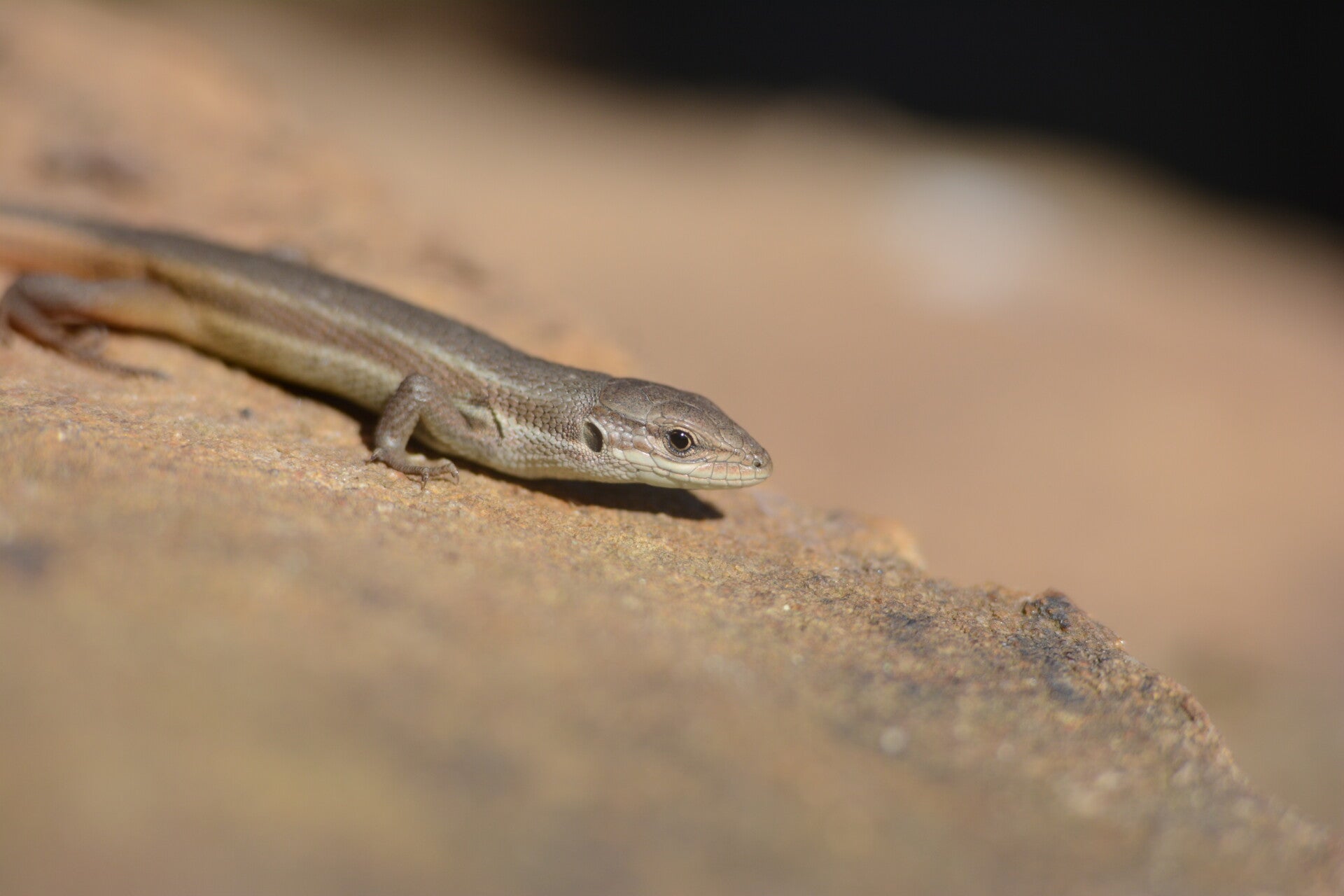
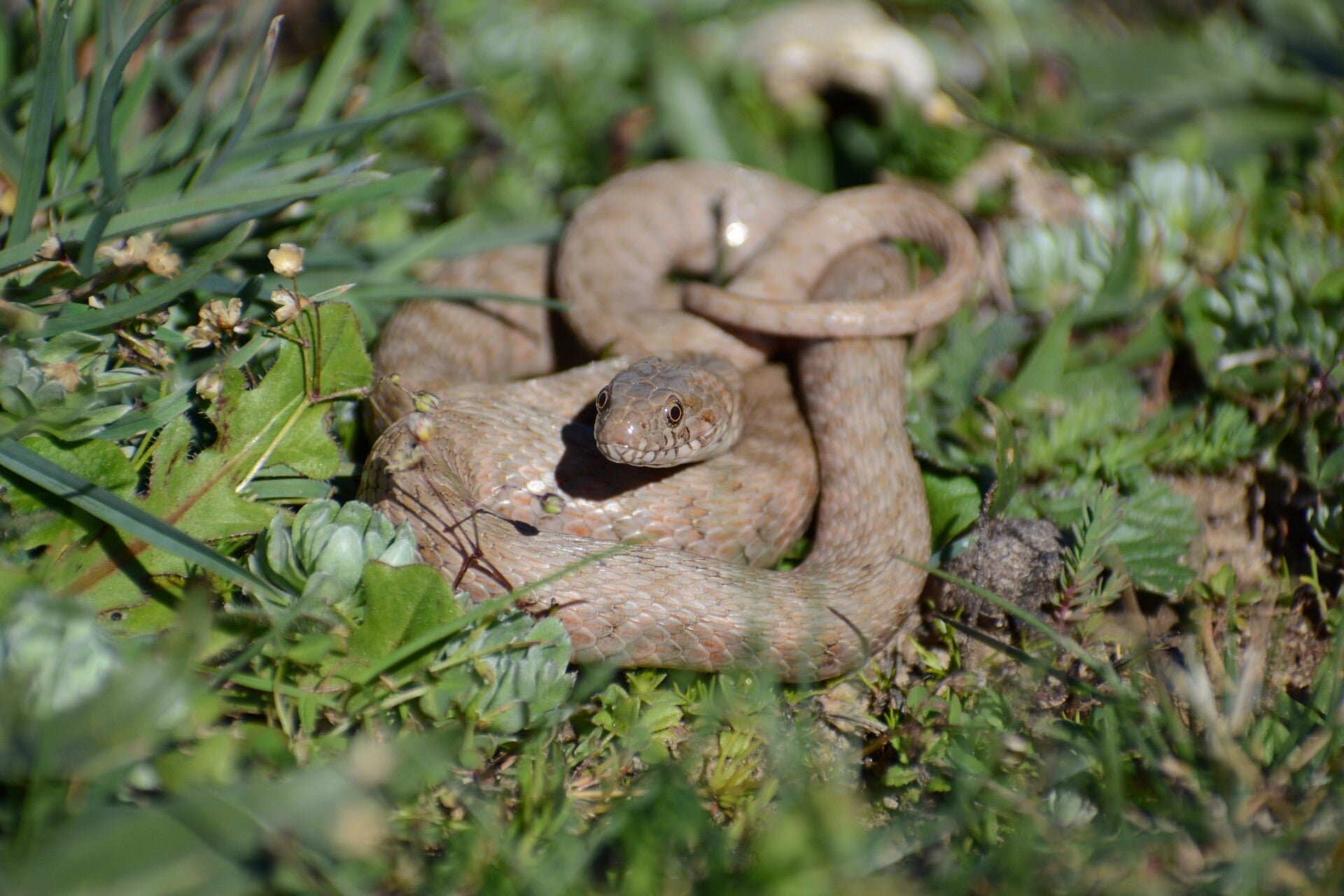
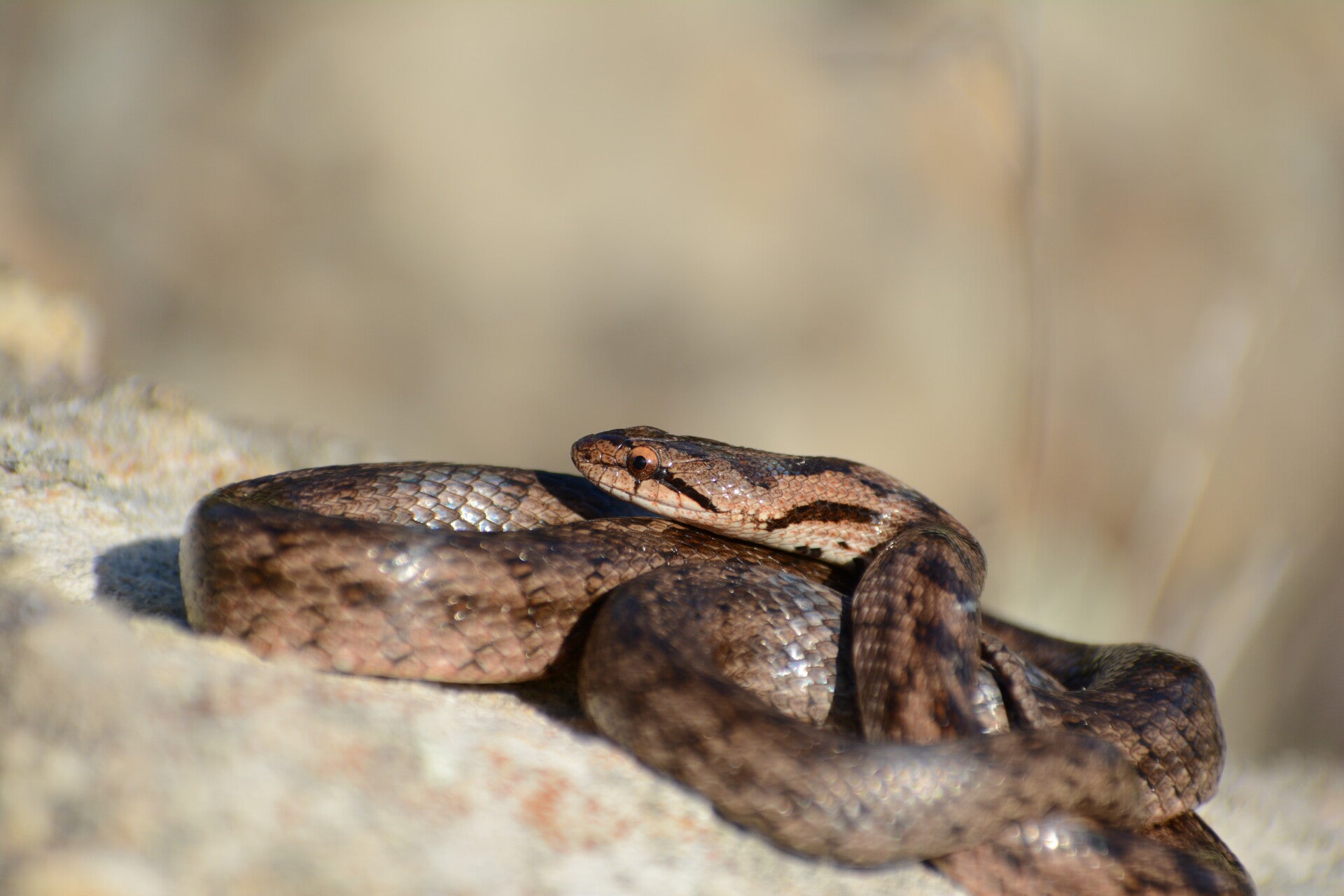
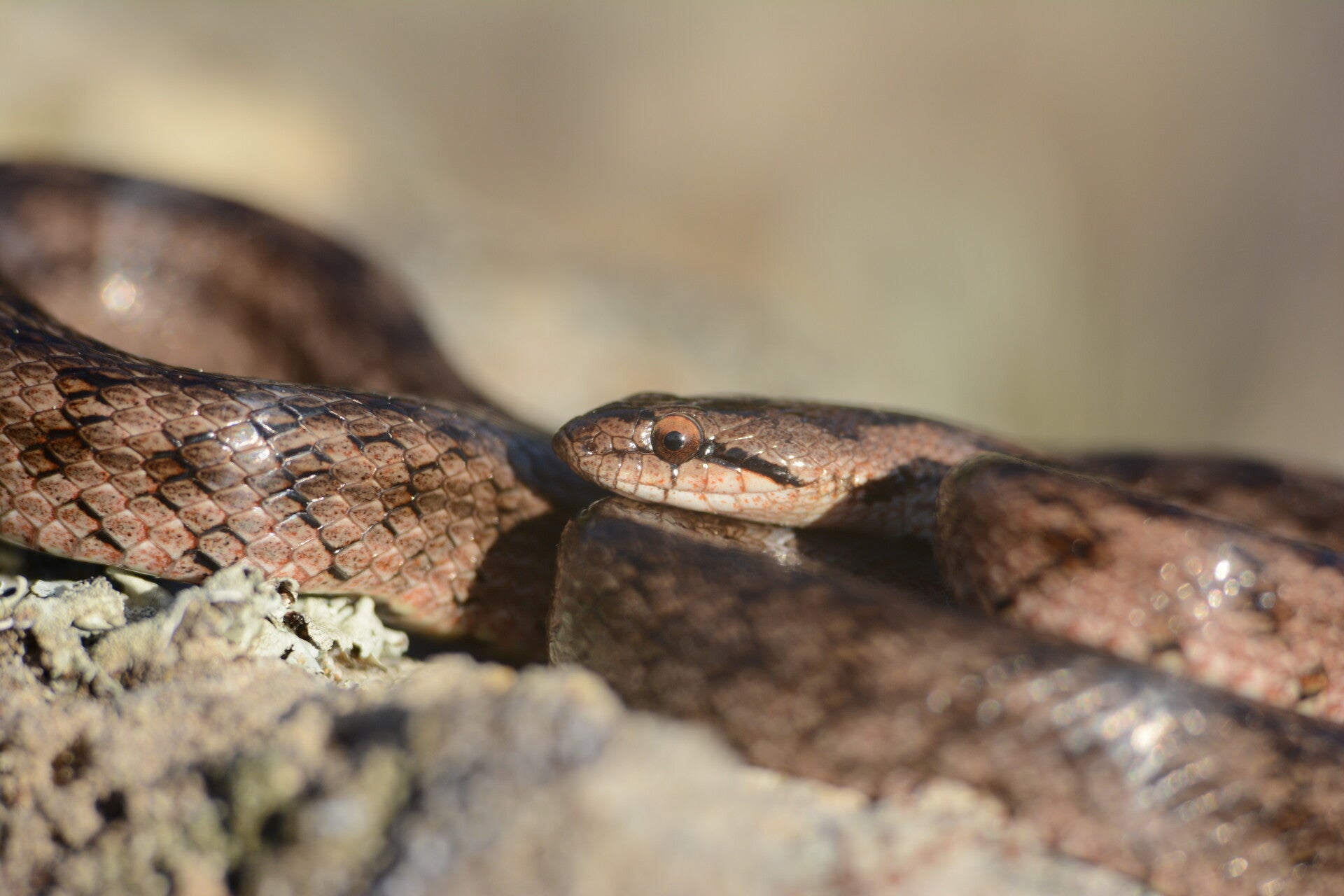
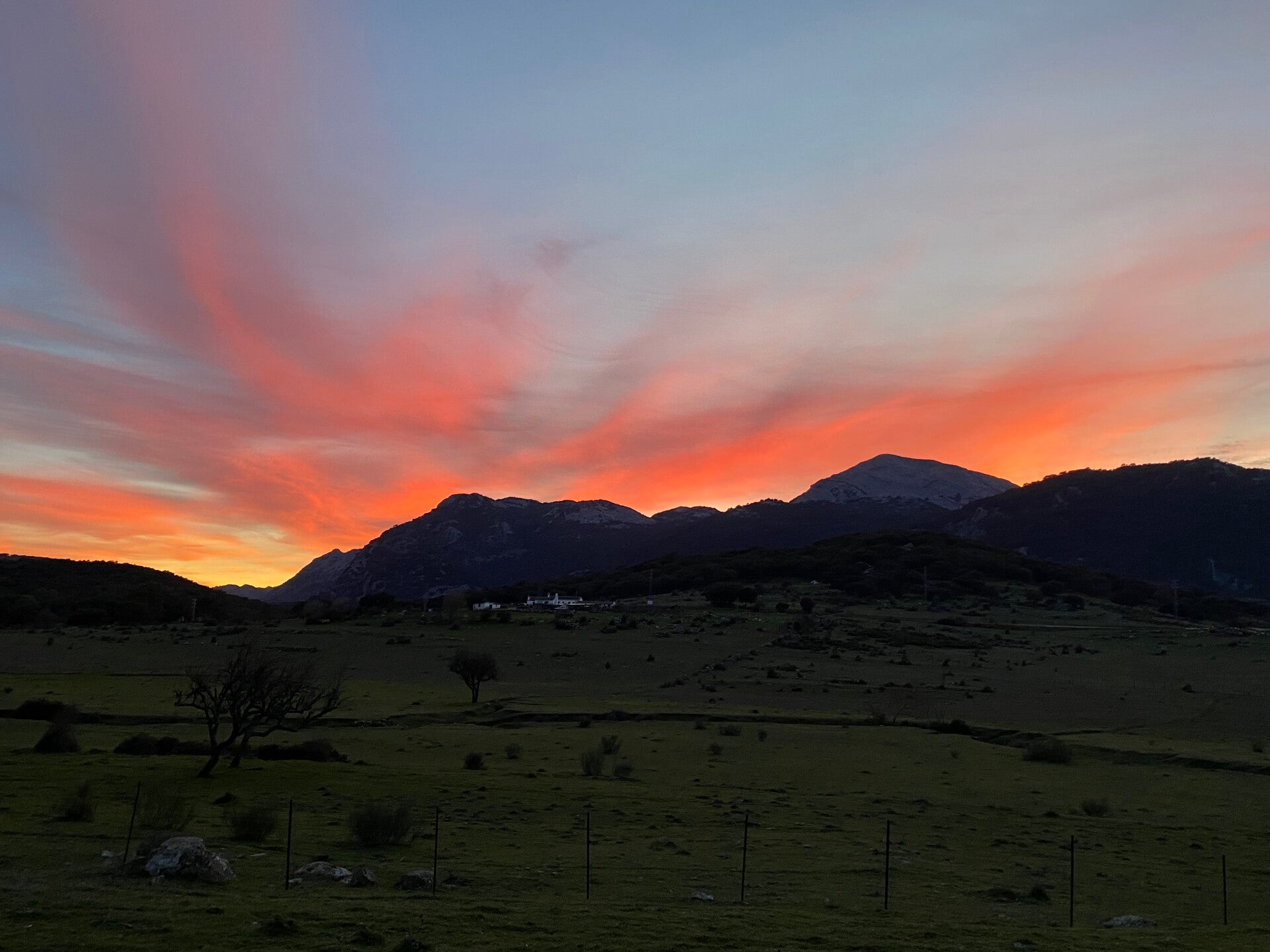
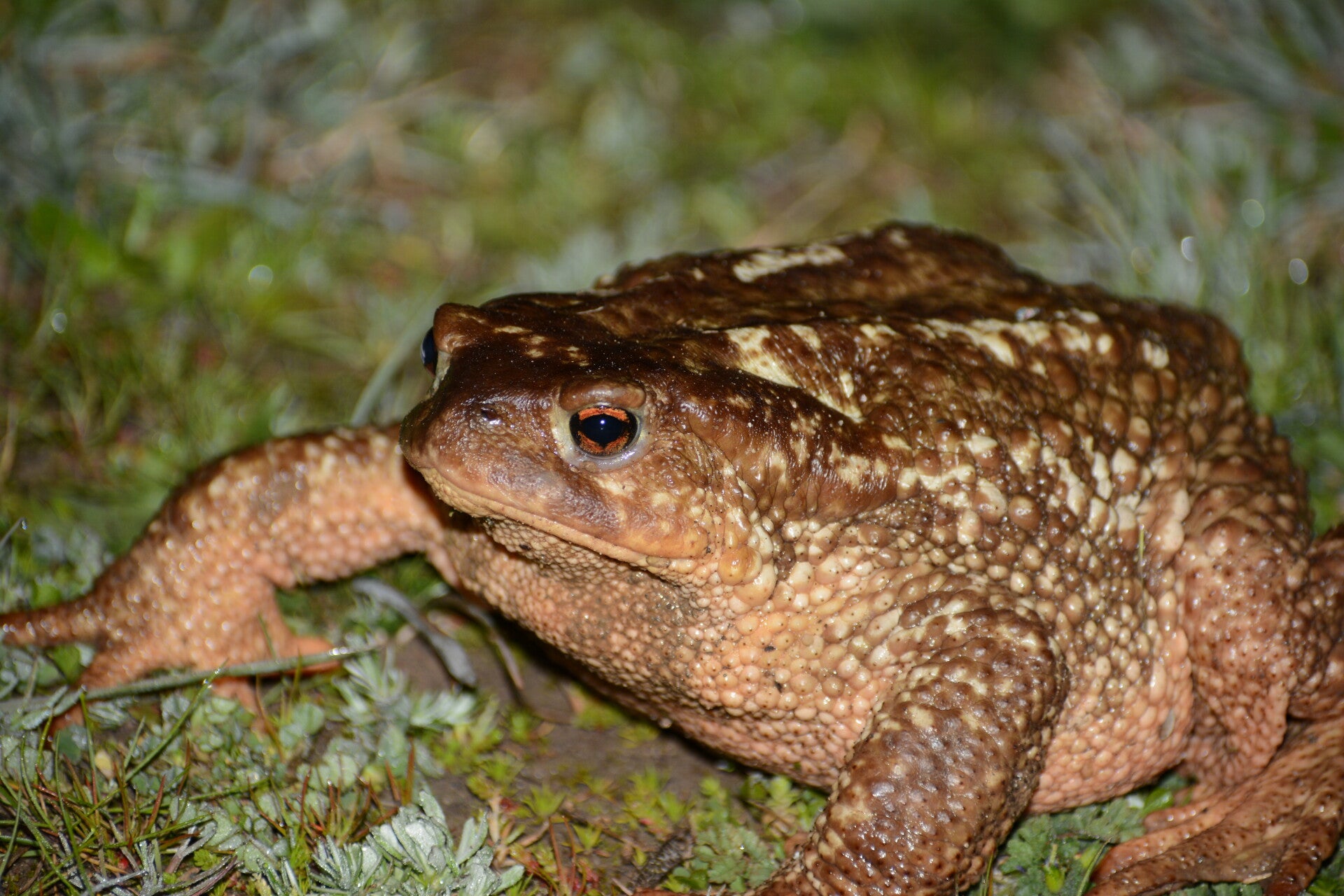
The next day we started well with another juvenile Timon lepidus, Epidalea calamita and some Macroprotodon brevis. After that we started walking back in the direction of Grazalema. Along the road we saw a few Podarcis vaucheri. Then we tried to score a ride back. After a few minutes already, a car slowed down and a very kind man brought us almost to Grazalema. From that point we could easily walk to the stream from two days earlier. At this location we had two targets left that we wanted to find: Natrix astreptophora and Pelobates cultripes. The first hour we only found a lot of Pelophylax perezi, Psammodromus hispanicus, Mauremys leprosa, Triturus pygmaeus, Psammodromus algirus, Podarcis vaucheri and Bufo spinosus. Also two large Bufo females were laying eggs. Then I finally saw a Natrix swimming in the stream! Unfortunately, it was a very light coloured Natrix maura. In the meantime Jayden was searching on the other side of the stream, really far away from us. He had walked all the way through the stream without success... We gave up and went lifting some stones. First we found Epidalea calamita, Blanus cinereus and Psammodromus hispanicus. Then we finally found a new snake species and one of my personal targets: Coronella girondica! We were very happy with this find. After taking photos for a long time we continued our search. Later on we found another snake species: Macroprotodon brevis. The first one on this location. Then it slowly became dark and again we started searching for Pelobates cultripes. Our last amphibian target of the trip. The species we found that evening were Pelophylax perezi, Mauremys leprosa, larvae of Salamandra salamandra longirostris, we heard both Hyla meridionalis and Pelodytes ibericus, we found the biggest Bufo spinosus ever seen, also our second Discoglossus galganoi jeanneae, Epidalea calamita, Triturus pygmaeus and Jayden finally found our first Pelobates cultripes! What a way to end this amazing day! On the way back to Grazalema we yet found Hemidactylus turcicus, Bufo spinosus and Tarentola mauritanica.







22 February 2024
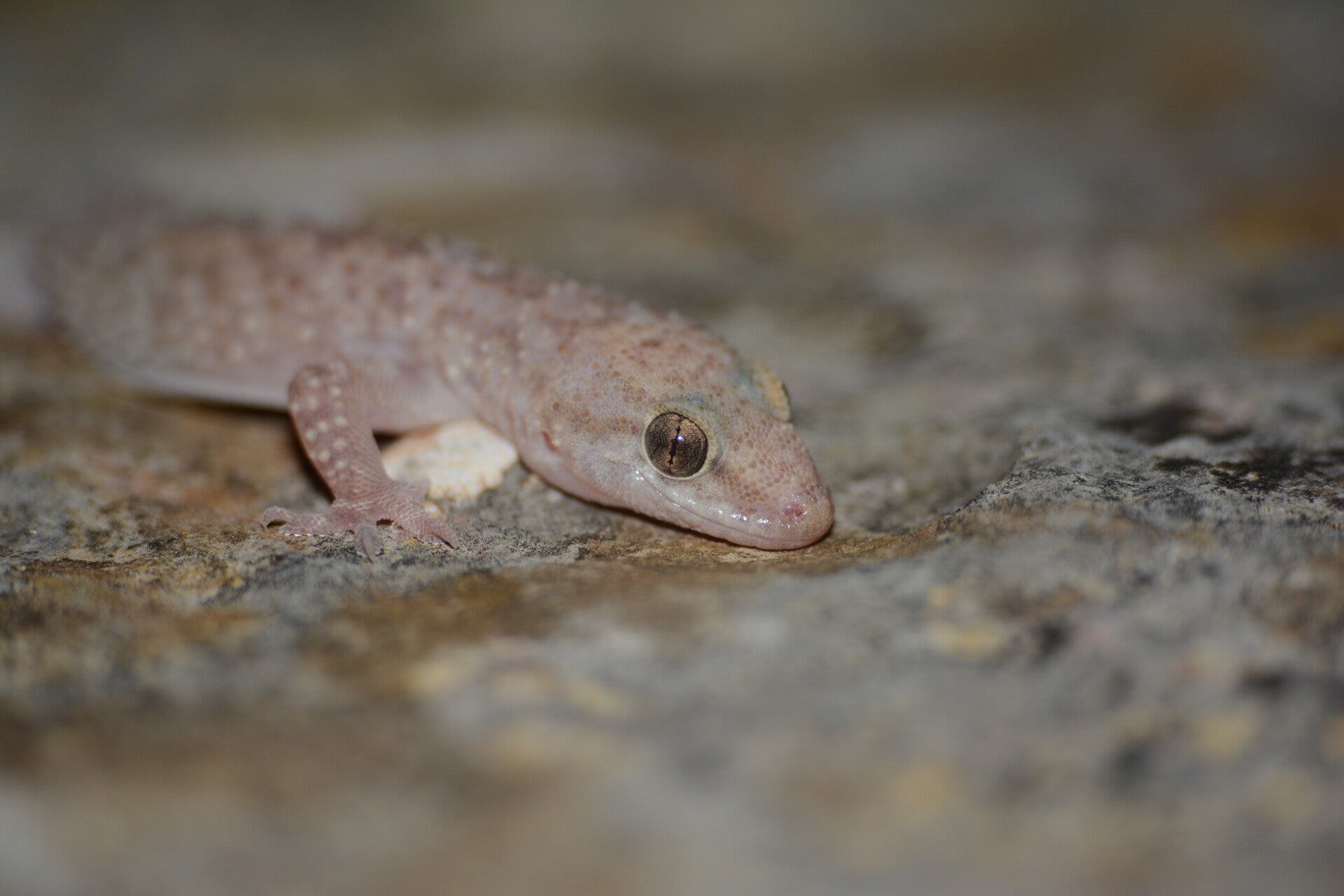
This was our last day in Grazalema. Our target for this day was to find Chalcides striatus. Fortunately this time, our first spot was a bit closer to our accommodation. We only found Psammodromus algirus there. We followed the road a bit further and there we found some nice species like Salamandra salamandra longirostris, Psammodromus algirus again, Macroprotodon brevis, a large Timon lepidus and a shed of Hemorrhois hippocrepis! Unfortunately, there was a very hard and cold blowing wind. Therefore we only found animals by lifting stones. We decided to go back to Grazalema. On the way back we found two small Timon lepidus, Blanus cinereus and Psammodromus algirus. We still tried to find Chalcides, but the work didn’t pay off. In the evening we took it easy and went eating in a bar in Grazalema.


23 February 2024
The next morning at 8.30am we took a taxi from Grazalema to Málaga. After two hours we arrived at our apartment, located in a suburb of Málaga. We had three main targets for the last two days: Hemorrhois hippocrepis, Chamaeleo chamaeleon and Blanus vandellii. It's not sure yet if the Blanus species is different from the one in Grazalema. Research is still going on, but for now it are two different species.
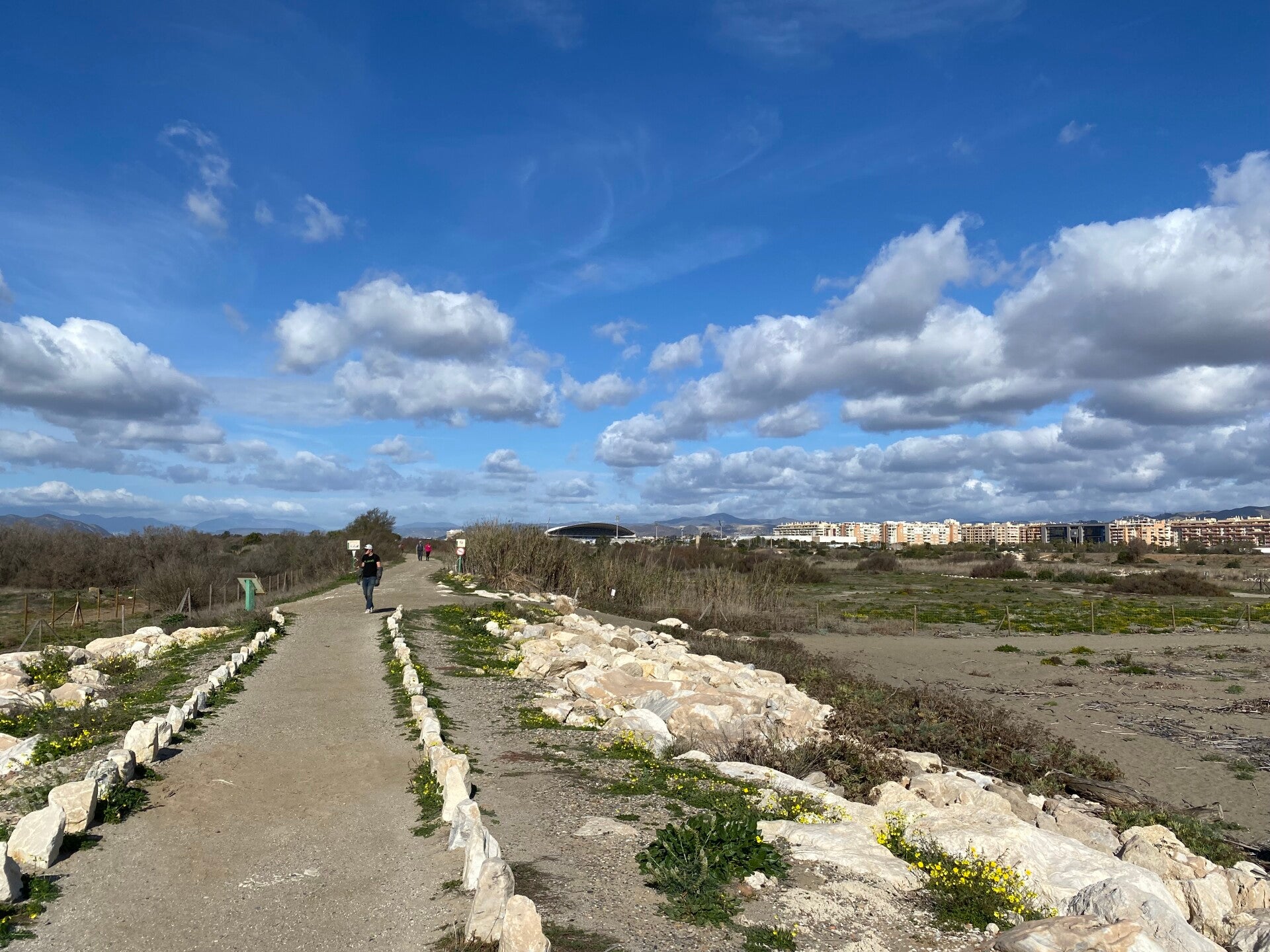
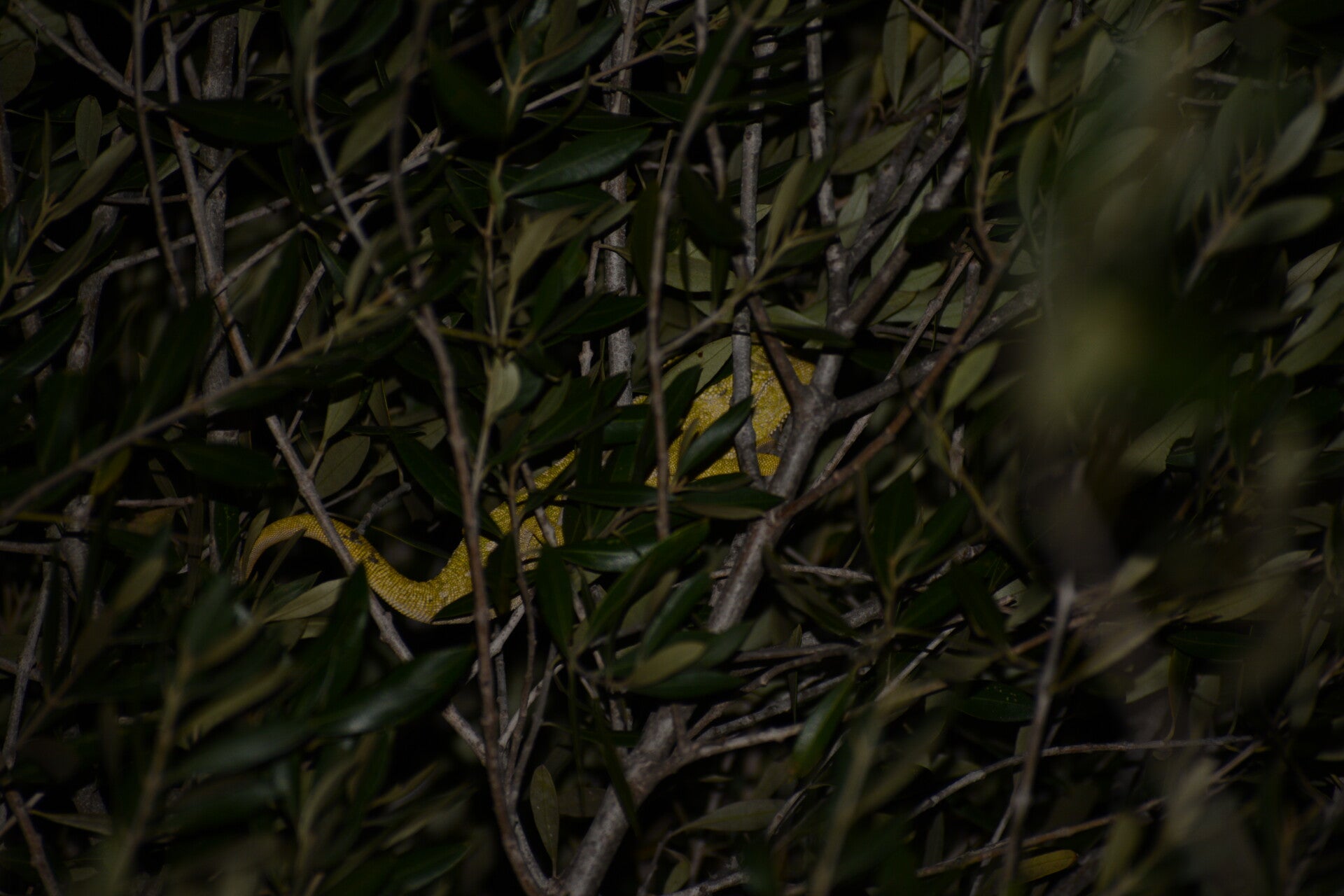
After we dropped our luggage in the apartment, we went to a park where Hemorrhois occurs. Unfortunately, a large part was closed due to repair work. We only found some Tarentola mauritanica. Then we moved on to another place with some trash that we could flip. Here we only found Psammodromus algirus. Then we walked to another park, but this park was completely closed… The luck was not on our side. We decided to already go to an area where Chameleo lives. In that area we found our first target: Blanus vandellii. A shed first and then the animal itself. Further that day we found Psammodromus algirus, Tarentola mauritanica, Macroprotodon brevis, Hemidactylus turcicus and more of Blanus vandellii. When it became dark we started searching for chameleons and already after a few minutes Jayden called us that he found two Chamaeleo chamaeleon. A large dark individual and a small green one. On the way back we saw another four of them. One small and three large individuals. We ended the night with some McDonalds food.


24 February 2024
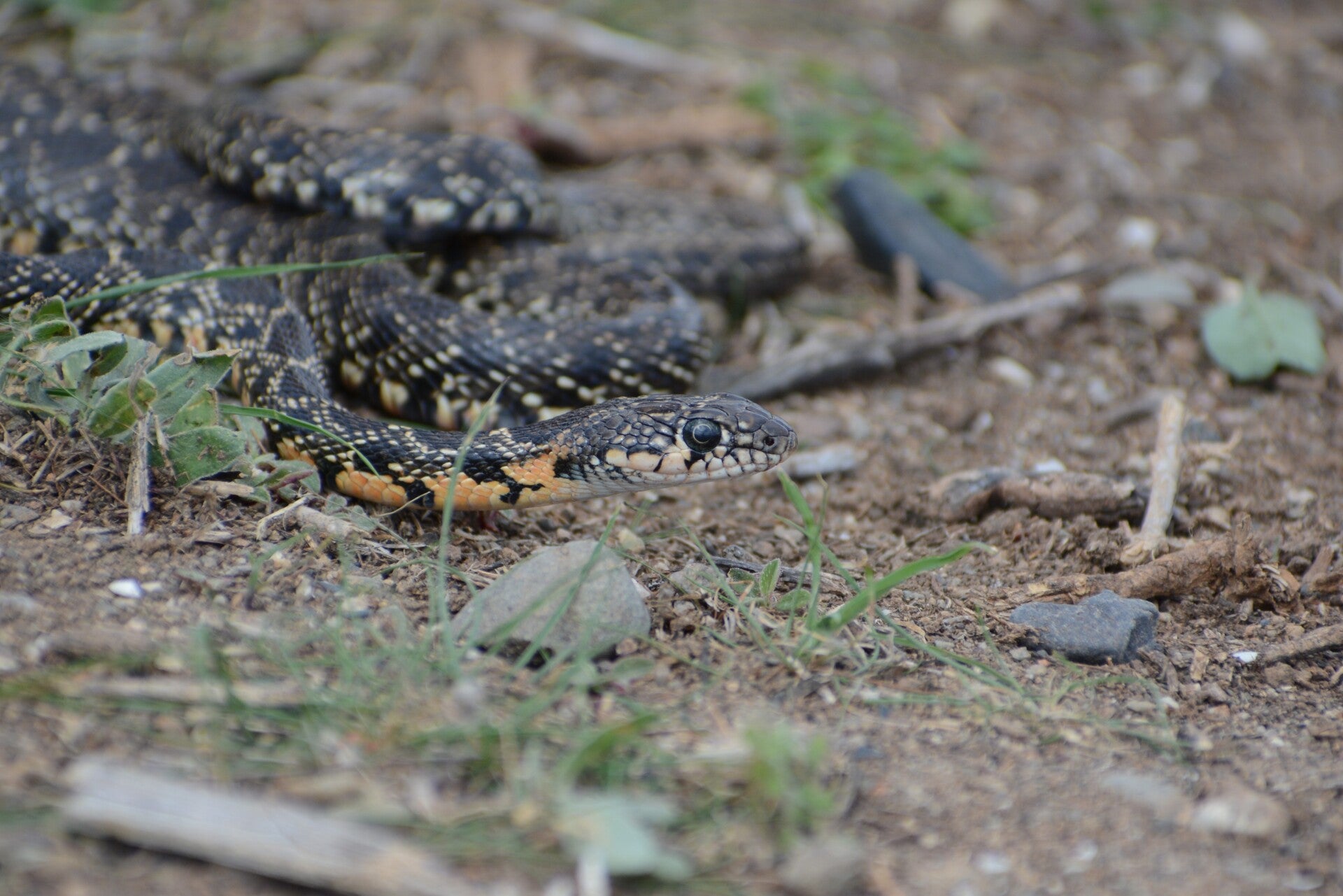
This was the last day of the trip. We had one main target still to find. We planned to search the whole day in the park from yesterday, to hopefully find Hemorrhois. This time the park was fully open. The first two hours we only found a lot of Tarentola mauritanica and a single Chamaeleo chamaeleon. Then Sven called us that he spotted a Hemorrhois on the rocks, but unfortunately it was directly gone and didn’t came back. After that, we took a short break and continued our search. It didn’t take long before I spotted the second Hemorrhois hippocrepis and this time we managed to catch it! What a beautiful snake was it! After taking some photos we released it back into the wild. Our mission was accomplished! We walked back to the apartment. That evening I went back to the park with Jayden to search for chameleons again. First we found some Tarentola mauritanica and then after almost an hour we found two Chamaeleo chamaeleon to end the trip with!






Epilogue
It was the first time traveling as a trio, but we all really enjoyed it! We have found some really cool species during our trip. I was very happy with my targets Coronella girondica and Hemorrhois hippocrepis. Also I was able to see some species that I missed on my previous trips to south Iberia. A total score of 23 species was not bad for this time of the year. We found all amphibian targets and most of the reptile targets too. We will definitely book another trip with this team soon!
Observed species: 23
Long-snouted Fire Salamander (Salamandra salamandra longirostris)
Southern Marbled Newt (Triturus pygmaeus)
Spiny Toad (Bufo spinosus)
Spanish Painted Frog (Discoglossus galganoi jeanneae)
Natterjack Toad (Epidalea calamita)
Stripeless Tree Frog (Hyla meridionalis)
Iberian Spadefoot Toad (Pelobates cultripes)
Iberian Parsley Frog (Pelodytes ibericus)
Perez' Water Frog (Pelophylax perezi)
Spanish Pond Turtle (Mauremys leprosa)
Common Chameleon (Chamaeleo chamaeleon)
Mediterranean House Gecko (Hemidactylus turcicus)
Moorish Gecko (Tarentola mauritanica)
Andalusian Wall Lizard (Podarcis vaucheri)
Large Psammodromus (Psammodromus algirus)
Spanish Psammodromus (Psammodromus hispanicus)
Ocellated Lizard (Timon lepidus)
Southwest Iberian Worm Lizard (Blanus cinereus)
Iberian Worm Lizard (Blanus vandellii)
Southern Smooth Snake (Coronella girondica)
Horseshoe Whip Snake (Hemorrhois hippocrepis)
Western False Smooth Snake (Macroprotodon brevis)
Viperine Snake (Natrix maura)